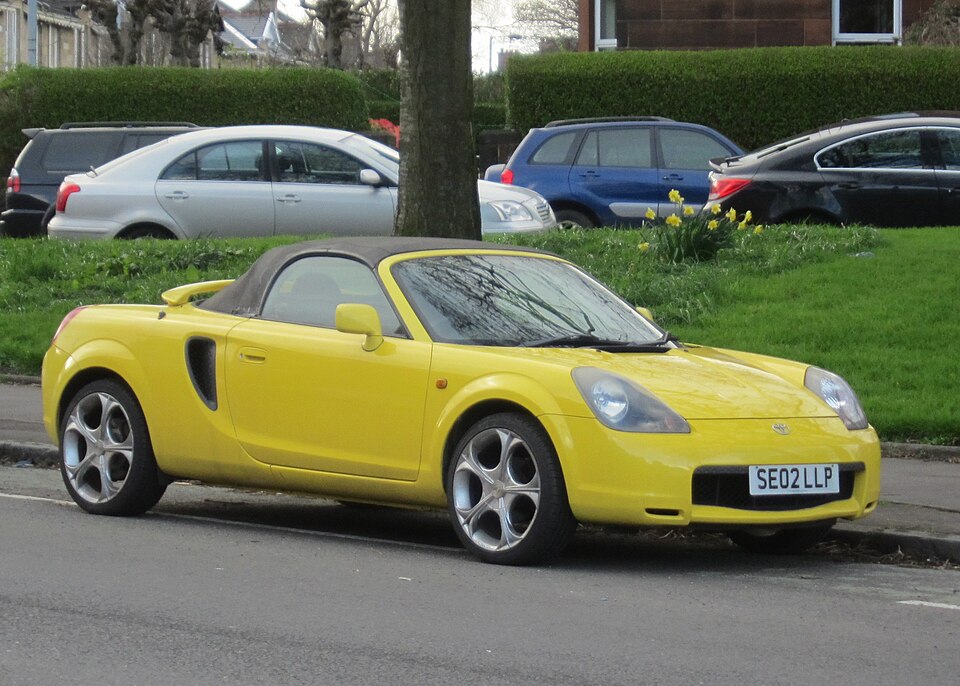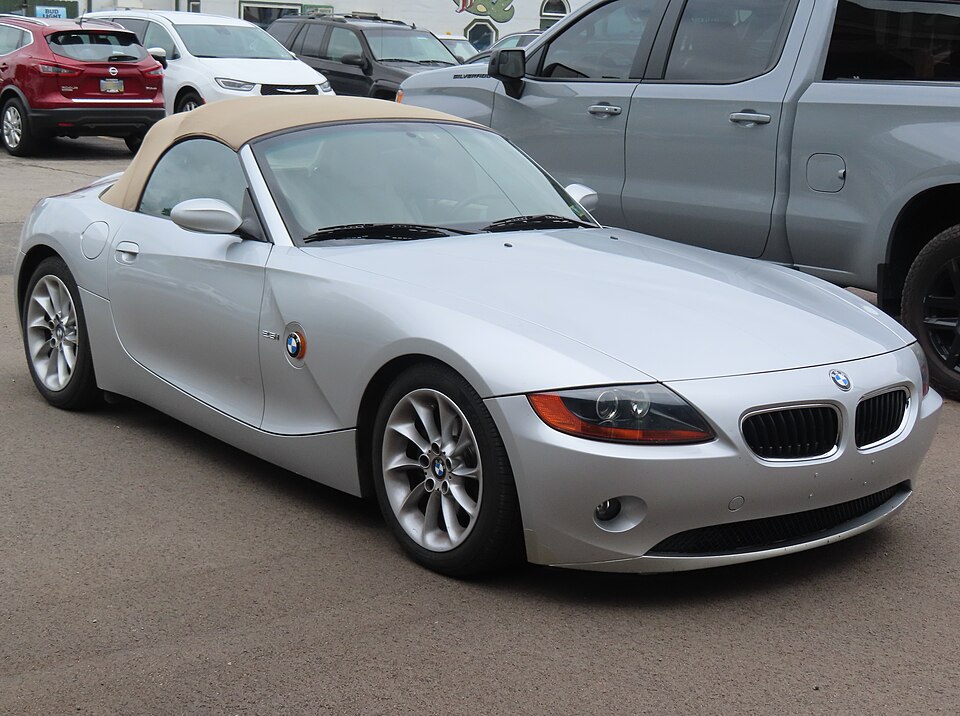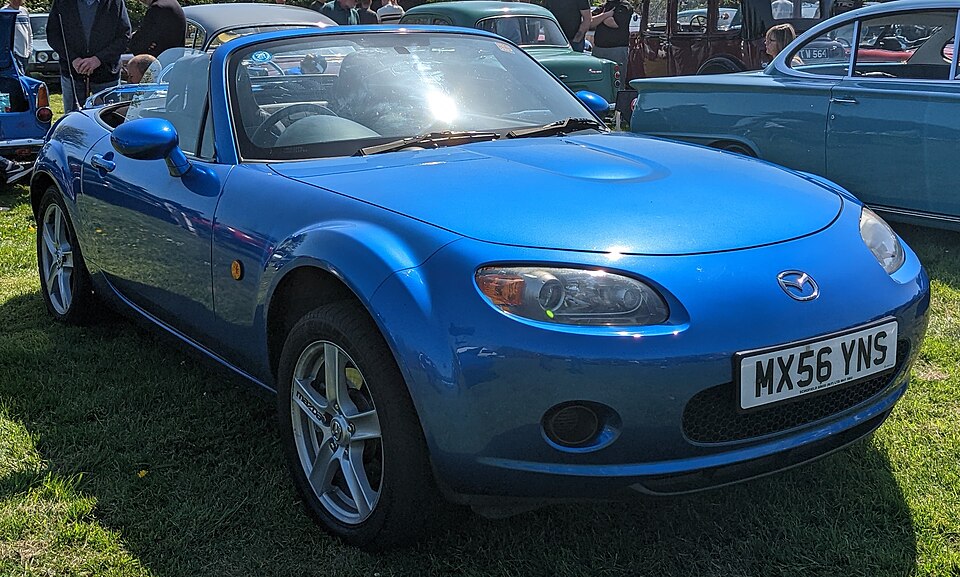
2005–2015 / RWD
Mazda MX-5 NC 2.0
A lovely little car built around steering feel, rear-wheel drive and enjoying the road itself.
£3,500–£8,500Planning estimate
The field guide · L880K turbo
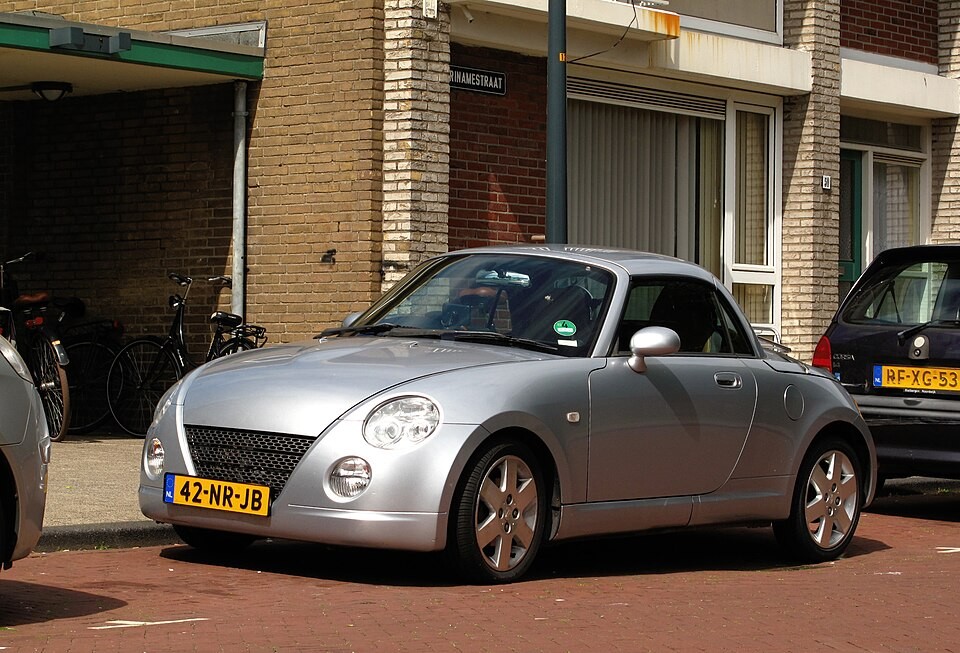
A miniature folding-hardtop roadster with the charm of something built to a different scale.
Why it belongs here
The turbo Copen suits a buyer who wants a distinctive small leisure car and is willing to seek out specialist knowledge. The roof is a large part of its appeal, so it must work properly. Cabin fit is very personal and storage shrinks with the roof down. Strong oil-service records and a thorough body inspection should take priority over colour, mileage or accessories.
An ingenious electric roof and compact dimensions make even a short trip memorable.
Corrosion and neglected turbo-engine oil servicing can dominate ownership costs.
Know the exact version
| Reference variant | UK 659 cc turbo five-speed manual |
|---|---|
| UK/model years | 2003–2007 (UK 0.66) |
| Engine | 0.66 JB-DET turbocharged four-cylinder |
| Driven wheels | FWD |
| Gearboxes covered | manual |
| Seats | 2 |
Record covers the original turbo, replaced by the 1.3-litre in spring 2007. Unconfirmed performance fields are left blank. Only sourced figures are displayed. 0–62 mph is not interchangeable with 0–60 mph.
Make the numbers yours
Model-specific planning assumptions: 33–42 UK mpg and £700–£1,600 a year held for servicing and repairs. These are editorial estimates, not measured averages or quotes.
150p/litre is an editable illustration, not today’s pump price. The total uses the midpoint maintenance reserve of £1,150. Add your actual insurance, tax, tyres, MOT, parking, finance and depreciation separately. Major restoration is excluded. Check the exact registration against current UK tax tables → and check required octane and E10 compatibility →.
Before you fall for it
Check rear sill ends, floorpans, rear arches and boot areas for corrosion, including any previous repairs.
The small turbo engine needs frequent oil servicing. Check the handbook, invoices and any smoke or abnormal turbo noise.
Cycle the roof fully and examine seals, hinges and boot for moisture or leaks.
These are inspection priorities, not a prediction that every example will suffer each fault. Use a specialist inspection and the official MOT history service → before committing.
Parts & restoration
No verified parts or reproduction products are listed for this generation yet. Check availability and fitment for your exact engine, gearbox and production year before buying a car with missing or damaged components.
Explore Parts & Restoration →The detail behind the guide
Owner-written Copenworld guide provides model-specific inspection experience, not population-wide failure rates. Running-cost ranges and scores are editorial estimates. Inspection points are not failure-rate statistics; confirm the exact car and its maintenance schedule. Editorial purchase-planning estimate, not a verified current asking-price range or valuation. Exceptional cars and restoration projects can sit outside it.
Photography: 2004 Daihatsu Copen 660 Turbo — Rutger van der Maar, CC BY 2.0. Source explicitly identifies 2004 660 Turbo; first-generation L880K bodywork and factory alloy-wheel design. Photographed in the Netherlands. Visually reviewed 7 November 2026; Commons author/licence metadata retained. Resized/re-encoded only.
Suggest a correction →Keep an open mind
A lovely little car built around steering feel, rear-wheel drive and enjoying the road itself.
A tiny, mid-engined sports car with superb agility and virtually no luggage room.
Long bonnet, smooth six-cylinder and a rewarding sense of occasion.