2007–2011 / FWD
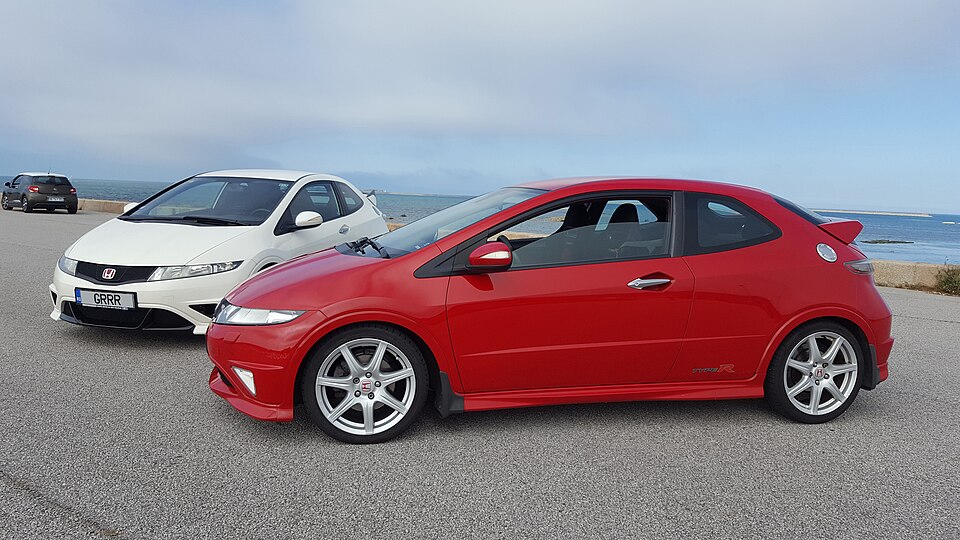
Honda Civic Type R FN2
A spaceship of a hatchback whose 2.0 VTEC really rewards working through the gears.
£3,500–£8,000Planning estimate
The field guide · BK
Fast, quiet-looking and surprisingly practical.
Why it belongs here
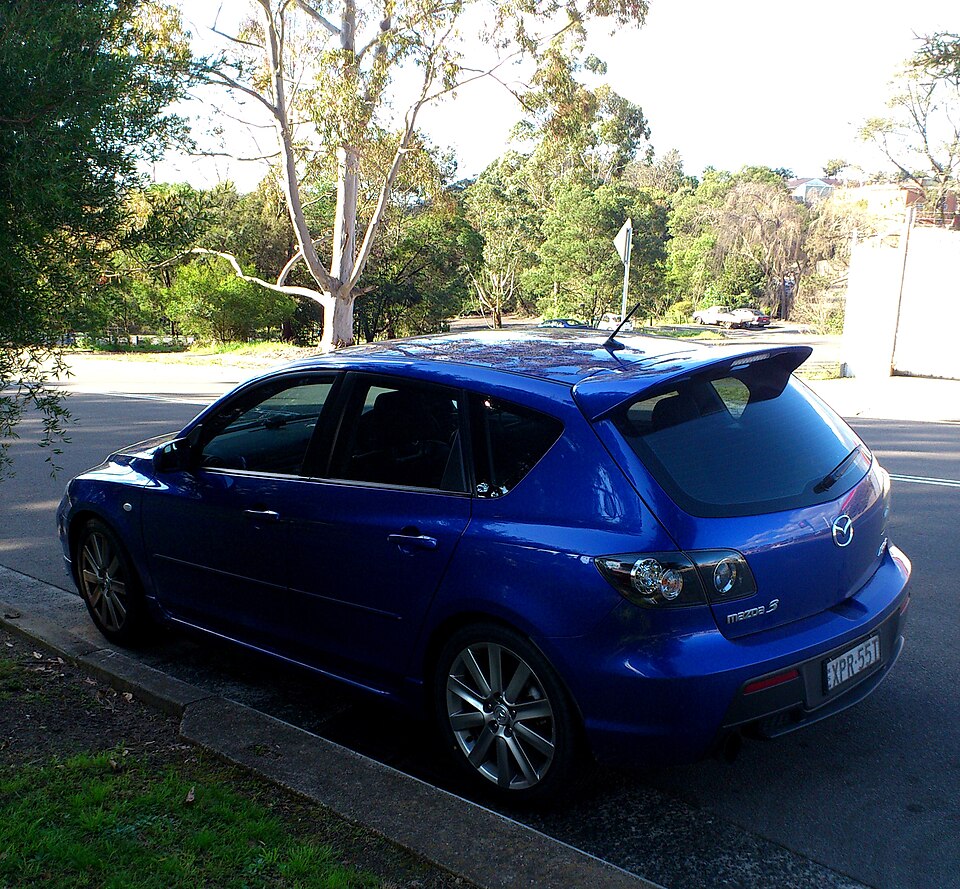
The first 3 MPS offers serious acceleration in a practical hatchback with relatively subtle styling. Its strong torque can make it feel unruly, which is part of the appeal for some drivers and a drawback for others. A standard example with thorough records is particularly attractive. Inspect modifications critically and leave a meaningful repair reserve, because turbo and timing-system work can be expensive.
Huge mid-range performance in a hatchback.
Turbo, timing chain and modified examples.
Know the exact version
| Reference variant | 2007 UK Mazda3 MPS BK, six-speed manual |
|---|---|
| UK/model years | 2007–2009 |
| Engine | 2.3 turbo |
| Power | 260 PS |
| Torque | 380 Nm |
| 0–62 mph | 6.1 seconds |
| Top speed | 155 mph |
| Official combined economy | 29.1 mpg (UK imperial) |
| Driven wheels | FWD |
| Gearboxes covered | manual |
| Seats | 5 |
UK manufacturer brochure; 155 mph is electronically limited. Economy is the historic combined-cycle UK mpg figure. Only sourced figures are displayed. 0–62 mph is not interchangeable with 0–60 mph.
Make the numbers yours
Model-specific planning assumptions: 23–30 UK mpg and £1,000–£2,200 a year held for servicing and repairs. These are editorial estimates, not measured averages or quotes.
150p/litre is an editable illustration, not today’s pump price. The total uses the midpoint maintenance reserve of £1,600. Add your actual insurance, tax, tyres, MOT, parking, finance and depreciation separately. Major restoration is excluded. Check the exact registration against current UK tax tables → and check required octane and E10 compatibility →.
Before you fall for it
Listen for abnormal cold-start rattles, examine maintenance records and investigate exhaust smoke before accepting the car.
Inspect behind bumpers, wheelarches and the tailgate, plus the structural underside.
Check drop links, bushes and top mounts for knocks. Correct, good-quality tyres are important with this much front-wheel-drive torque.
These are inspection priorities, not a prediction that every example will suffer each fault. Use a specialist inspection and the official MOT history service → before committing.
Parts & restoration
No verified parts or reproduction products are listed for this generation yet. Check availability and fitment for your exact engine, gearbox and production year before buying a car with missing or damaged components.
Explore Parts & Restoration →The detail behind the guide
The first-generation car existed internationally in 2006; the UK brochure places its introduction in early 2007. Second-generation BL specifications are excluded. Archived manufacturer brochure is hosted by a third party. Fuel economy and maintenance ranges are editorial planning estimates, not measured results or quotes. Scores are editorial opinions. Editorial purchase-planning range, not a verified current market valuation or live listing. Exceptional cars and repairs can cost more.
Photography: Mazda 3 MPS Mk1 — FotoSleuth, CC BY 2.0. Commons description identifies the named model. Visually checked on 6 November 2026: correct generation and body, with no obvious exterior modifications. Image is an example of the model, not a vehicle offered for sale.
Suggest a correction →Keep an open mind
A spaceship of a hatchback whose 2.0 VTEC really rewards working through the gears.
Small, eager and unpretentious. Proof that character does not demand huge horsepower.
The compact high-revving Honda icon.