1997–2001 / FWD
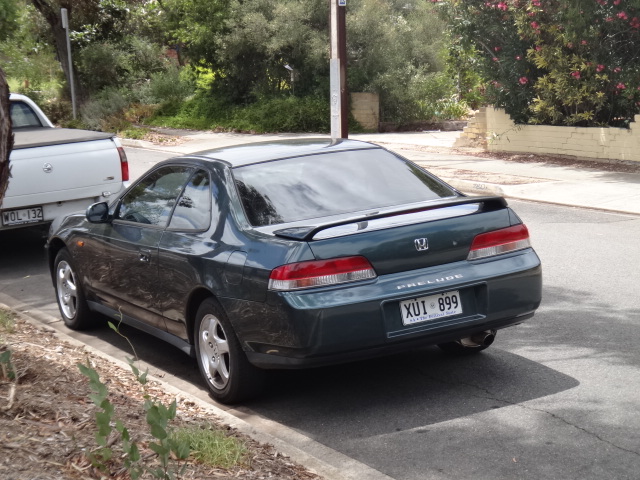
Honda Prelude 2.2 VTi
A low-slung Japanese GT with a glorious appetite for revs and proper late-90s personality.
£3,500–£8,000Planning estimate
The field guide · Puma Mk1 coupé
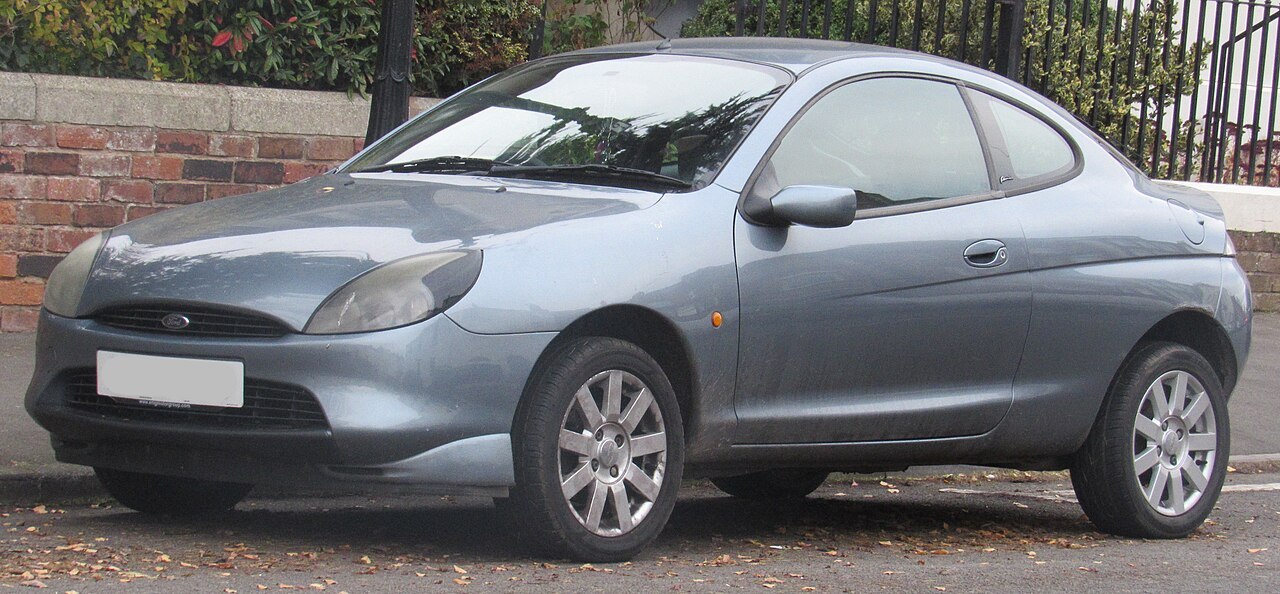
A small coupé whose steering and balance make modest power feel like plenty.
Why it belongs here
The original Puma works particularly well for someone who wants to enjoy every junction and bend without buying a large or powerful car. Its engine adds eagerness, while the chassis remains the main attraction. Rear space is occasional and rust is the purchase-defining issue. Spend on a sound shell with proper belt history; restoring a rusty bargain rarely stays inexpensive.
Light controls, excellent road feel and a compact footprint.
Rear-arch and sill corrosion can be far more serious than it looks.
Know the exact version
| Reference variant | Standard Puma 1.7; not Racing Puma |
|---|---|
| UK/model years | 1997–2002 |
| Engine | 1.7 Yamaha-developed Zetec-SE four-cylinder |
| Power | 125 PS |
| Torque | 157 Nm |
| Driven wheels | FWD |
| Gearboxes covered | manual |
| Seats | 4 |
Engine output and torque from archived Ford workshop documentation, corroborated by UK brochure. Acceleration and speed are withheld pending a fully matched specification table. Only sourced figures are displayed. 0–62 mph is not interchangeable with 0–60 mph.
Make the numbers yours
Model-specific planning assumptions: 30–40 UK mpg and £700–£1,400 a year held for servicing and repairs. These are editorial estimates, not measured averages or quotes.
150p/litre is an editable illustration, not today’s pump price. The total uses the midpoint maintenance reserve of £1,050. Add your actual insurance, tax, tyres, MOT, parking, finance and depreciation separately. Major restoration is excluded. Check the exact registration against current UK tax tables → and check required octane and E10 compatibility →.
Before you fall for it
Inspect rear arches from inside as well as outside, along with sills, floors and mounting points.
Require a dated invoice for the 1.7 engine’s belt work by someone familiar with its timing procedure.
Look for low oil, smoke or uneven running and ask what oil and service schedule have been used.
These are inspection priorities, not a prediction that every example will suffer each fault. Use a specialist inspection and the official MOT history service → before committing.
Parts & restoration
No verified parts or reproduction products are listed for this generation yet. Check availability and fitment for your exact engine, gearbox and production year before buying a car with missing or damaged components.
Explore Parts & Restoration →The detail behind the guide
Sources checked for this model; budget, real-world mpg range, maintenance reserve and character scores are editorial estimates. Older buying-guide prices are not current valuations. Editorial planning estimate for a usable example, not a verified current asking-price range. Condition, originality and history can move prices outside this band.
Photography: 2002 Ford Puma 1.7, UK specification. — Vauxford, CC BY-SA 4.0. Source identifies exact 1.7; stock body and later factory multi-spoke wheels. Visual and Commons identity/licence review, 7 November 2026. Image resized and JPEG compressed.
Suggest a correction →Keep an open mind
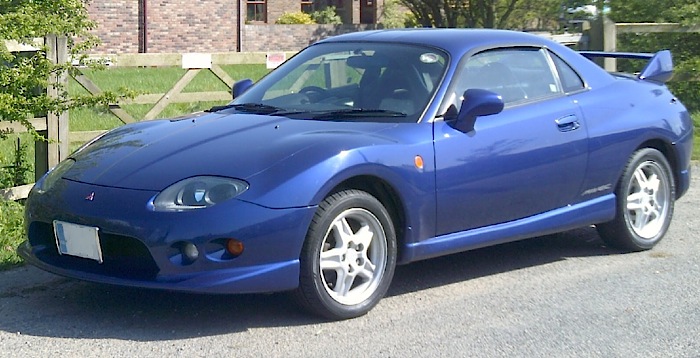
A low-slung Japanese GT with a glorious appetite for revs and proper late-90s personality.
Small V6, sharp looks and an engine that rewards commitment. An unapologetic left-field choice.
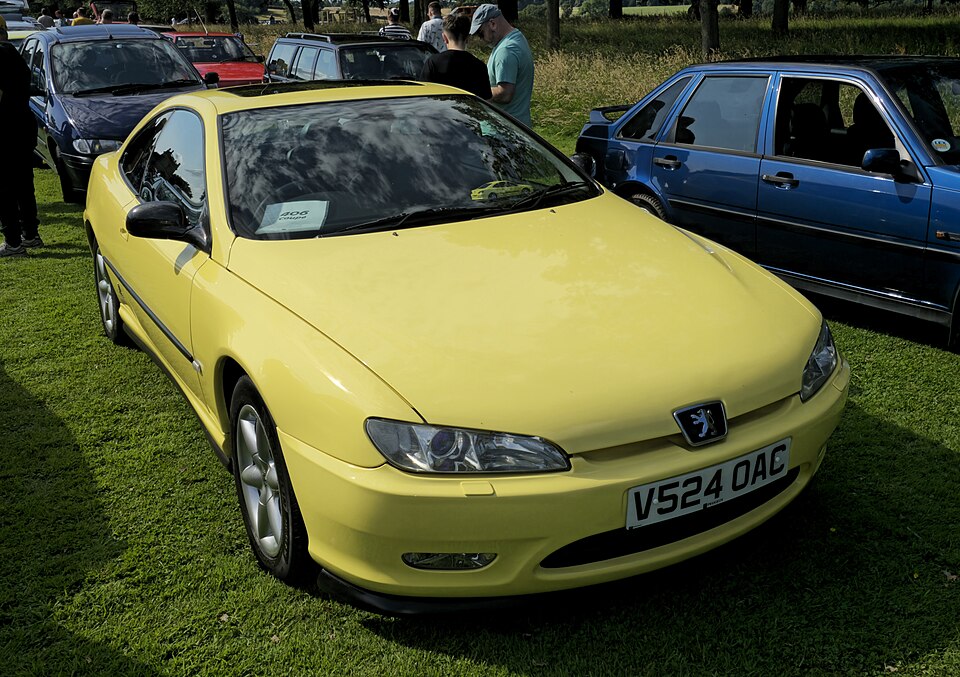
An elegant French grand tourer whose shape still stops people in their tracks.