2007–2011 / FWD
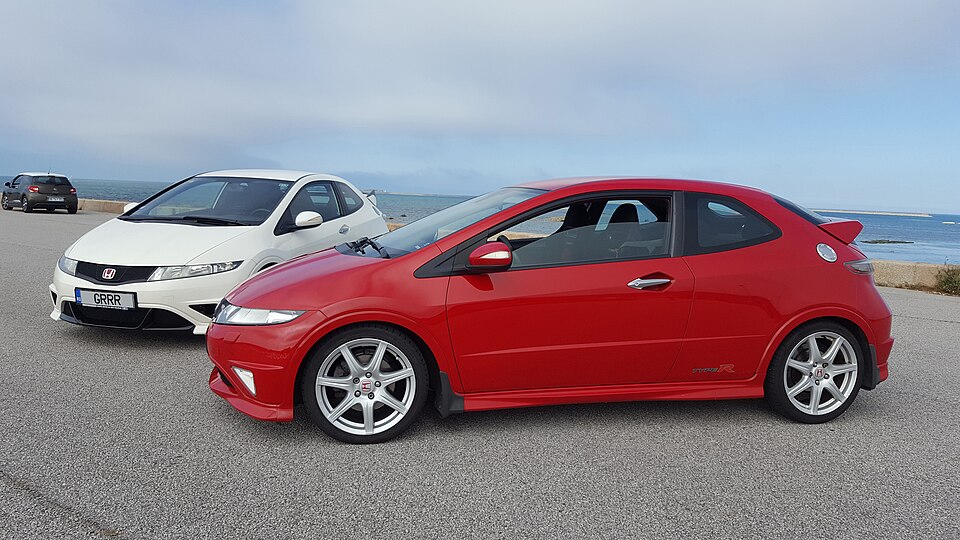
Honda Civic Type R FN2
A spaceship of a hatchback whose 2.0 VTEC really rewards working through the gears.
£3,500–£8,000Planning estimate
The field guide · Phase 2
A light, eager hot hatch that makes a modest engine feel like plenty.
Why it belongs here
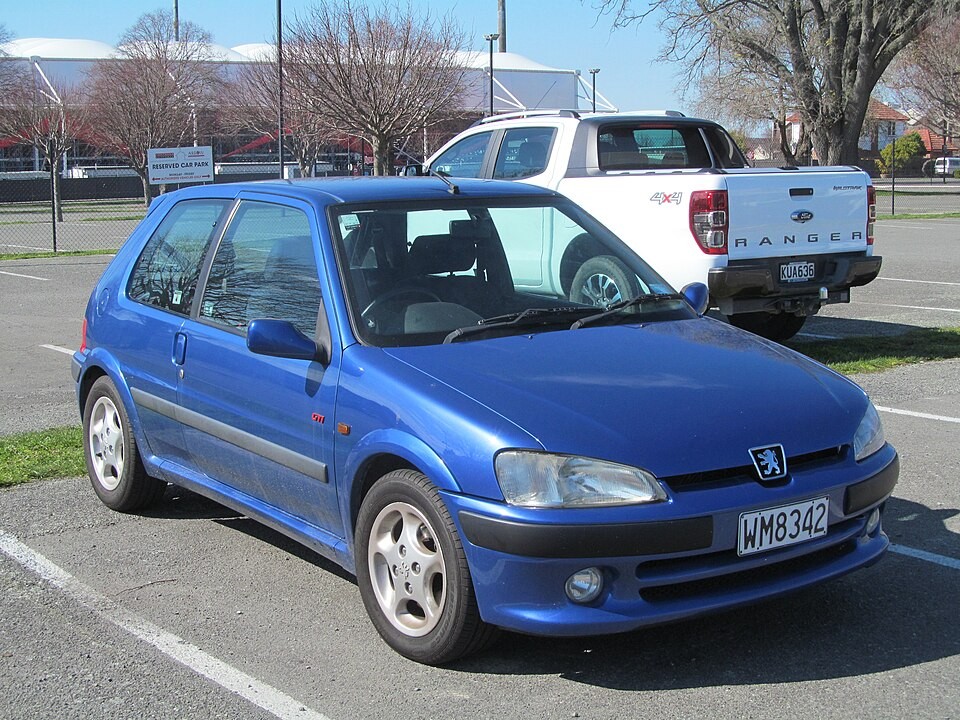
The 106 GTi appeals to anyone who values low weight and communication over modern refinement. It feels small even by older hot-hatch standards, and the narrow driving position is worth trying before you buy. Seek an original or carefully documented car with sound structure and a straight rear axle. Cheap track-car leftovers can require extensive work before they become satisfying road cars again.
Compact dimensions, alert responses and an engaging naturally aspirated engine.
Rear-axle wear, rust and years of hard use can be more important than mileage.
Know the exact version
| Reference variant | European/UK Phase 2 GTi 1.6 16V manual |
|---|---|
| UK/model years | 1996–2003 |
| Engine | 1.6 TU5 16-valve four-cylinder |
| Power | 120 PS |
| Driven wheels | FWD |
| Gearboxes covered | manual |
| Seats | 5 |
Peugeot heritage release confirms the 1.6 16-valve GTi/S16 with 120 CV (PS). Exact UK acceleration, torque and consumption are withheld pending a period technical sheet. Only sourced figures are displayed. 0–62 mph is not interchangeable with 0–60 mph.
Make the numbers yours
Model-specific planning assumptions: 28–36 UK mpg and £700–£1,600 a year held for servicing and repairs. These are editorial estimates, not measured averages or quotes.
150p/litre is an editable illustration, not today’s pump price. The total uses the midpoint maintenance reserve of £1,150. Add your actual insurance, tax, tyres, MOT, parking, finance and depreciation separately. Major restoration is excluded. Check the exact registration against current UK tax tables → and check required octane and E10 compatibility →.
Before you fall for it
Look for abnormal rear-wheel camber, bearing play and uneven tyre wear; ask about any axle rebuild.
Inspect sill ends, floor and mounting areas for corrosion, accident damage or poorly finished competition modifications.
Check timing-belt history, cooling behaviour and clean gear engagement, especially on heavily modified cars.
These are inspection priorities, not a prediction that every example will suffer each fault. Use a specialist inspection and the official MOT history service → before committing.
Parts & restoration
No verified parts or reproduction products are listed for this generation yet. Check availability and fitment for your exact engine, gearbox and production year before buying a car with missing or damaged components.
Explore Parts & Restoration →The detail behind the guide
GTi and continental S16 naming refer to the related 16-valve version; do not substitute Rallye or XSi engine figures. Running-cost ranges and scores are editorial estimates. Inspection points are not failure-rate statistics; confirm the exact car and its maintenance schedule. Editorial purchase-planning estimate, not a verified current asking-price range or valuation. Exceptional cars and restoration projects can sit outside it.
Photography: 1997 Peugeot 106 GTi in New Zealand — NZ Car Freak, CC BY 2.0. Standard GTi body and alloy wheels; source identifies GTi, overseas specification. Visually reviewed 7 November 2026; Commons author/licence metadata retained. Resized/re-encoded only.
Suggest a correction →Keep an open mind
A spaceship of a hatchback whose 2.0 VTEC really rewards working through the gears.
Small, eager and unpretentious. Proof that character does not demand huge horsepower.
The compact high-revving Honda icon.