2007–2011 / FWD
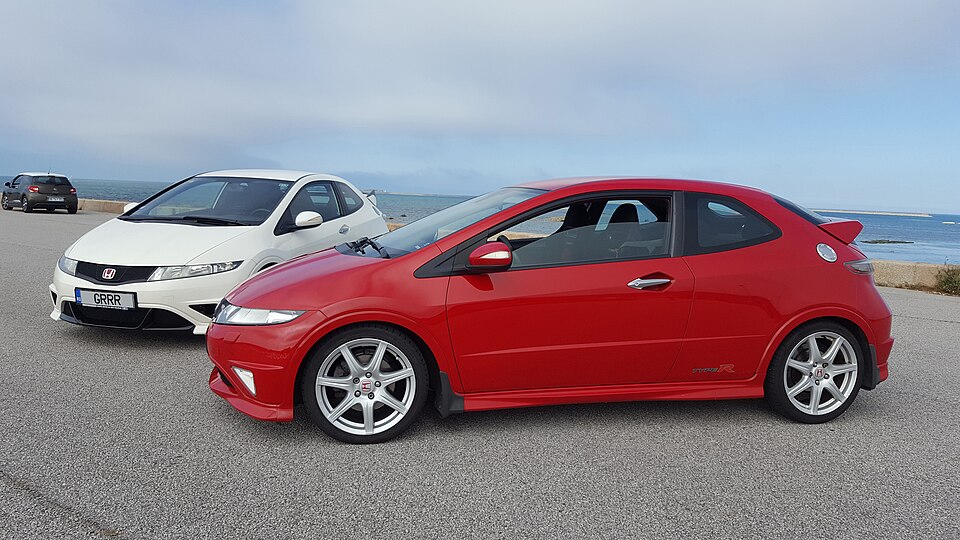
Honda Civic Type R FN2
A spaceship of a hatchback whose 2.0 VTEC really rewards working through the gears.
£3,500–£8,000Planning estimate
The field guide · Classic 900, 16-valve hatchback
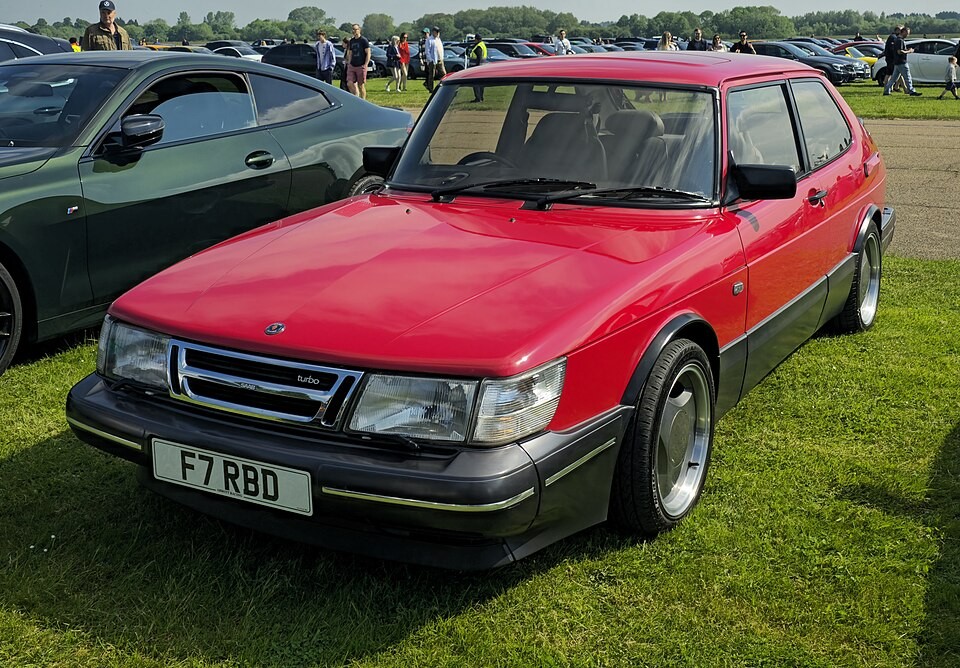
A wraparound windscreen, huge hatch and turbocharged character make this an unmistakably different daily.
Why it belongs here
The classic 900 is a strong choice for someone who wants an interesting car to live with, rather than simply a weekend ornament. Its practical hatch and comfortable cabin balance the unusual controls and turbo delivery. It is now old enough that restoration quality matters greatly. Seek a knowledgeable seller and a Saab specialist inspection, particularly if the car has been modified or stored for years.
Distinctive driving environment, useful luggage space and a deep enthusiast community.
Gearbox wear, structural rust and mixed turbo specifications require careful buying.
Know the exact version
| Reference variant | Classic 900 16-valve turbo hatchback; exact output depends on year and market |
|---|---|
| UK/model years | 1984–1993 (16-valve hatchback) |
| Engine | 2.0 turbocharged 16-valve four-cylinder |
| Driven wheels | FWD |
| Gearboxes covered | manual / automatic |
| Seats | 5 |
Turbo 16, 16S, catalytic and low-pressure versions differ. No single acceleration or output is applied across those specifications. Convertible production continued beyond the hatchback. Only sourced figures are displayed. 0–62 mph is not interchangeable with 0–60 mph.
Make the numbers yours
Model-specific planning assumptions: 24–32 UK mpg and £1,000–£2,200 a year held for servicing and repairs. These are editorial estimates, not measured averages or quotes.
150p/litre is an editable illustration, not today’s pump price. The total uses the midpoint maintenance reserve of £1,600. Add your actual insurance, tax, tyres, MOT, parking, finance and depreciation separately. Major restoration is excluded. Check the exact registration against current UK tax tables → and check required octane and E10 compatibility →.
Before you fall for it
Check for whining, difficult selection and jumping out of gear. A healthy engine does not guarantee a healthy transmission.
Inspect suspension mounting areas, driveshaft tunnels, sill structure and metal hidden by body cladding.
Assess warm boost delivery, smoke, oil leaks and cooling condition; review service history and modifications.
These are inspection priorities, not a prediction that every example will suffer each fault. Use a specialist inspection and the official MOT history service → before committing.
Parts & restoration
No verified parts or reproduction products are listed for this generation yet. Check availability and fitment for your exact engine, gearbox and production year before buying a car with missing or damaged components.
Explore Parts & Restoration →The detail behind the guide
This record covers the classic body, not the later GM-platform 900. Period model-year data and buying sources retrieved. Running-cost ranges and scores are editorial estimates. Inspection points are not failure-rate statistics; confirm the exact car and its maintenance schedule. Editorial purchase-planning estimate, not a verified current asking-price range or valuation. Exceptional cars and restoration projects can sit outside it.
Photography: 1993 Saab 900 Turbo 16, UK registration — Calreyn88, CC BY-SA 4.0. Source identifies Turbo 16; standard classic 900 body and period Saab three-spoke wheels. No visible body modifications. Visually reviewed 7 November 2026; Commons author/licence metadata retained. Resized/re-encoded only.
Suggest a correction →Keep an open mind
A spaceship of a hatchback whose 2.0 VTEC really rewards working through the gears.
Small, eager and unpretentious. Proof that character does not demand huge horsepower.
The compact high-revving Honda icon.